
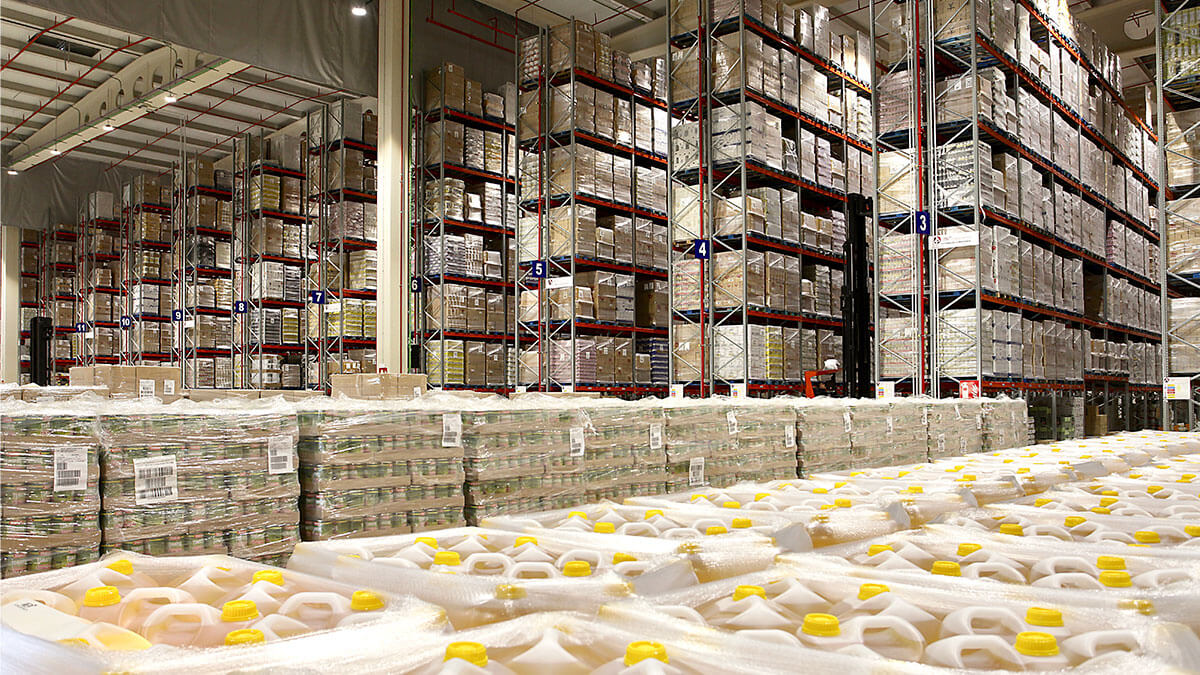
Temperature-controlled warehousing, also known as cold storage warehousing, refrigerated warehousing, climate-controlled warehousing, or frozen storage warehousing in the USA, plays a crucial role in the storage and distribution of perishable goods. These facilities are designed to maintain specific temperature and humidity conditions to preserve the quality and safety of a wide range of products, including but not limited to food and pharmaceuticals. Here’s an overview of these different types of warehousing in the USA:
- Temperature-Controlled Warehousing:
Temperature-controlled warehousing facilities in the USA are equipped with advanced climate control systems that can maintain specific temperature ranges, typically from freezing to ambient. They are used to store a variety of temperature-sensitive products, including fresh produce, dairy products, and certain pharmaceuticals. These facilities are strategically located to ensure efficient distribution and timely delivery of goods across the country.
- Cold Storage Warehousing:
Cold storage warehousing facilities are specifically designed to maintain temperatures below freezing to preserve frozen products such as meats, seafood, ice cream, and other frozen foods. In the USA, cold storage warehousing plays a critical role in managing the supply chain for frozen goods, especially in regions where natural cold storage options are limited.
- Refrigerated Warehousing:
Refrigerated warehousing facilities are capable of maintaining temperatures above freezing but below room temperature. They are commonly used for storing products that require cooling but not freezing, such as fresh fruits, vegetables, beverages, and certain dairy products. In the USA, refrigerated warehousing is essential for preserving the quality and shelf life of these perishable goods throughout the distribution process.
- Climate-Controlled Warehousing:
Climate-controlled warehousing goes beyond temperature control to also regulate humidity levels. These facilities are utilized for storing delicate products that are sensitive to both temperature and moisture, such as wine, certain pharmaceuticals, and some types of produce. In the USA, climate-controlled warehousing provides the necessary environment to protect the integrity and quality of these goods.
- Frozen Storage Warehousing:
Frozen storage warehousing facilities are dedicated to preserving products at consistently low temperatures, typically well below freezing. They are essential for the storage of ice cream, frozen meals, and other products that require deep freezing conditions to prevent spoilage. In the USA, frozen storage warehousing contributes significantly to the distribution and availability of frozen goods for consumers nationwide.
Overall, the USA’s temperature-controlled warehousing industry plays a vital role in ensuring the safe and efficient storage and distribution of perishable goods. These specialized facilities are crucial components of the supply chain, working to maintain the quality and safety of a wide range of products from production to consumption.
 Dave McGowan has been a member of the WEL Family since May 1989. He is a husband and father of two children. Dave is also a U.S. Army veteran and served in Vietnam in 1971-1972, and he attended driving school soon after he was released from the military in 1974.
 During his career with WEL, Phil has worked as a driver, dispatcher, terminal manager and customer service manager. He says he always was a driver first, though non-driving jobs taught him financial management that helps him as an owner-operator.